Is Arunachal Pradesh Worth Visiting?
Wondering whether Arunachal Pradesh is actually worth visiting, or whether it is one of those places people praise more for remoteness than for the real travel experience? That is a fair question. Arunachal is one of India’s least straightforward states to visit. It requires more planning than a typical hill trip, domestic travelers need an Inner Line Permit, foreign travelers need a PAP or RAP, and the roads and routes can be slow and circuit-based rather than simple point-to-point sightseeing. The official eILP portal says tourist eILP for Indian citizens is valid for stays of up to 14 days, while Arunachal Tourism’s permit guidance separately directs foreign travelers toward Protected Area Permit channels. (ILP Arunachal Pradesh)
The honest answer is yes, Arunachal Pradesh is worth visiting, but only if you want what it genuinely offers: long mountain roads, monastery towns, tribal valleys, thick forests, remote borders, and a feeling of still being closer to exploration than to polished tourism. Arunachal Tourism calls it the “Land of Dawn-lit Mountains” and describes it as India’s remotest state, while its official travel structure breaks the state into distinct circuits rather than presenting it as one easy destination. That alone tells you a lot. This is not the kind of place you “do” in a rushed weekend and fully understand. (Arunachal Tourism)
Quick answer
Yes, Arunachal Pradesh is worth visiting if you want one of India’s most dramatic and least conventional state journeys: Tawang for high-altitude Buddhist culture, Ziro for valley life and Apatani country, Mechuka for remote Himalayan scenery, and Namdapha for rainforest wilderness. Official tourism pages highlight all of those very different circuits, which is one of the strongest signs that Arunachal’s appeal lies in its range rather than in one single flagship sight. (Arunachal Tourism)
It may not be worth visiting if you want ease, luxury density, short travel days, or a destination where the highlights are all neatly stacked together. Arunachal Tourism’s own accommodation and circuit pages make clear that the state is spread out, the stay options vary widely from hotels to guest houses and homestays, and different regions need to be approached as separate travel routes. (Arunachal Tourism)
What makes Arunachal Pradesh special?
The first thing that makes Arunachal special is scale with variety. The official tourism site presents the state not as one city with nearby day trips, but as a collection of very different landscapes and cultural zones. On the western side, Tawang sits at about 3,500 metres above sea level and combines mountain scenery with Buddhist heritage. In the central valleys, Ziro is described as a beautiful plateau and one of the oldest towns in the state. Farther west-northwest, Mechuka is presented as a small town in a picturesque valley near the Indo-Tibet border. In the east, Namdapha is promoted as a vast tiger reserve and national park spread over 1,985 square kilometres. Very few Indian states feel this geographically and experientially fragmented in such an interesting way. (Arunachal Tourism)
The second thing is that Arunachal still feels less processed than most Indian mountain destinations. Arunachal Tourism repeatedly frames it as wild, remote, and circuit-led, and its own older guide material describes the roads into and through the state as long and winding, full of promise but also full of distance. That may sound like a warning, but it is also part of the appeal. Places that remain this route-dependent usually preserve more surprise, more silence, and more regional identity than easier hill destinations do. (Arunachal Tourism)
The third thing is the cultural texture. Incredible India says Arunachal is home to the more than 400-year-old Tawang Monastery, the largest monastery in India, while Arunachal Tourism’s culture pages and circuit descriptions tie places like Ziro, Tawang, and the Siang side of the state to distinct communities and traditions rather than one flattened “Northeast” label. That matters. Arunachal does not feel like one culture expressed in different scenery; it feels like many local worlds connected by difficult roads. (Incredible India)
The biggest reasons Arunachal Pradesh is worth visiting
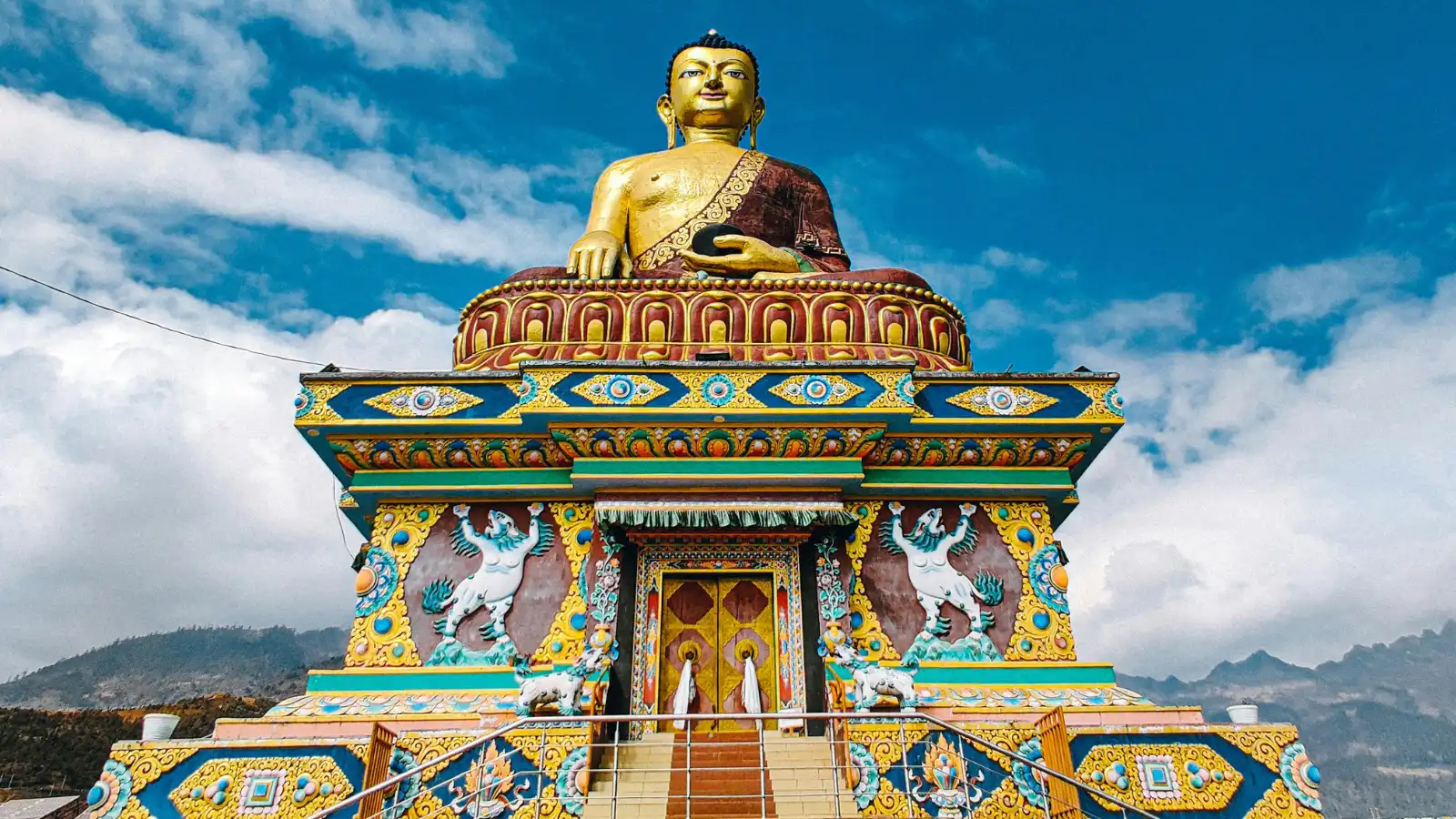
One of the strongest reasons Arunachal is worth visiting is Tawang. Incredible India describes Tawang Monastery as India’s largest monastery, founded in the 17th century and set at over 10,000 feet, while Arunachal Tourism describes Tawang itself as historically and naturally endowed, with mesmerizing valleys and mountain ranges. That combination of altitude, spiritual history, and Himalayan scale gives Arunachal one of India’s most compelling mountain destinations. Even people who know relatively little about the state often end up wanting Tawang first, and the official material makes it clear why. (Incredible India)
Another major reason is Ziro. Official tourism pages describe it as a plateau and one of Arunachal’s oldest towns, and the broader Itanagar–Ziro circuit promotes paddy fields, village visits, and a slower valley rhythm. Ziro is important because it proves Arunachal is not only about high passes and remote border drama. It also offers a softer, more habitable beauty. If Tawang is the state’s dramatic face, Ziro is one of its most quietly persuasive ones. That contrast is one of Arunachal’s strengths. (Arunachal Tourism)
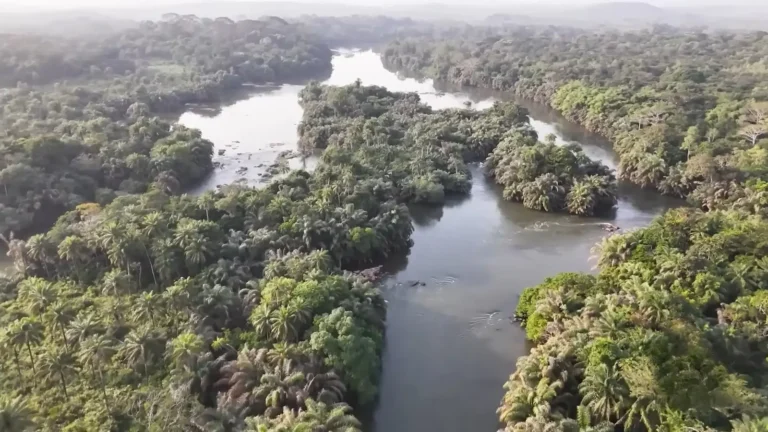
Then there is the deep-wilderness argument. Arunachal Tourism’s Namdapha package describes the park as the country’s 15th tiger reserve, spread over 1,985 square kilometres, and says it is the only national park in India where tiger, leopard, snow leopard, and clouded leopard are found. Its older adventure material also adds a useful reality check: in practice, Namdapha is often better for birds, butterflies, jungle treks, and river camping than for quick big-cat sightings. That honesty actually strengthens the case for visiting. It suggests Arunachal rewards patient travelers more than checklist hunters. (Arunachal Tourism)
Mechuka is another reason the state stands out. Official tourism pages describe it as a picturesque valley near the Indo-Tibet border, with snow-clad mountain views in winter, while recent official tourism content has continued highlighting Mechuka as an adventure and nature destination. This is one of those places that gives Arunachal its frontier feeling. You do not go there because it is convenient. You go there because it still feels far away, and because that distance is part of the reward. (Arunachal Tourism)
Arunachal is also worth visiting because it remains unusually rich for repeat travelers. The official tourism site does not funnel everyone into one standard itinerary. Instead, it promotes multiple separate circuits across west, central, and eastern Arunachal. That means the state has real revisit value. A monastery-and-pass trip, a Ziro-and-Apatani trip, a Mechuka valley trip, and a Namdapha wildlife trip are not just slight variations of one holiday. They are meaningfully different experiences. (Arunachal Tourism)
The honest downsides
The biggest downside is logistics. Arunachal is beautiful, but it is not effortless. The state tourism material itself is organized around long road circuits, and its older travel guide explicitly says the roads to and within Arunachal are long and winding. That means travel days can be tiring, plans can be more fragile, and one ambitious itinerary can quickly turn into too much time in a vehicle. If you dislike slow overland travel, Arunachal may test your patience. (Arunachal Tourism)
The second downside is access bureaucracy. For Indian travelers, eILP is mandatory and the official portal says tourist eILP is for stays of up to 14 days. For foreign travelers, Arunachal Tourism directs visitors toward PAP processes, and some official tourism PDFs note that certain sensitive border areas are not open to ordinary tourist PAP access. That does not make the state inaccessible, but it does mean this is not a purely spontaneous destination. (ILP Arunachal Pradesh)
The third downside is that accommodation is uneven. Arunachal Tourism’s own accommodation pages say the range runs from simple budget hotels to guest houses, homestays, and hotels. That can be part of the charm, but it also means travelers expecting polished options everywhere are likely to be disappointed. A few places, such as Tawang or Itanagar, now have stronger hotel choices, but across much of the state the right way to think is “good enough and well located,” not “broad luxury selection.” (Arunachal Tourism)
The fourth downside is seasonality. Arunachal Tourism says October to April are the best months to visit, while July to September is monsoon season and many attractions may close because of heavy rainfall. That does not mean the monsoon is unattractive; official material even notes that the terrain becomes a lush green paradise. But it does mean the “worth visiting” answer changes depending on how comfortable you are with weather risk and road disruption. (Arunachal Tourism)
Who should visit Arunachal Pradesh?
Arunachal is worth visiting for travelers who love route-based journeys rather than single-stop holidays. If you enjoy the idea of choosing a circuit and letting the road shape the experience — west for monasteries and high passes, central for valleys and villages, east for rainforest and wildlife — Arunachal is one of India’s most rewarding states. That is exactly how the official tourism material presents it. (Arunachal Tourism)
It is also a very strong destination for repeat India travelers who feel they have already done the more obvious mountain states. Arunachal offers something different from Himachal or Uttarakhand, and also something different from a standard Sikkim trip. The difference is not only scenery. It is the combination of remoteness, Buddhist heritage, tribal valleys, and Eastern Himalayan rainforest. (Arunachal Tourism)
Photographers, birders, slow travelers, and people who like destinations with strong atmosphere will probably get a lot out of Arunachal. Tawang offers panoramic valleys and monastery architecture, Ziro offers plateau landscapes and village life, Namdapha offers dense forest and biodiversity, and Mechuka offers broad valley scenery near the border. The range of visual and experiential material on the official sites supports that strongly. (Incredible India)
Who should skip it?
You should probably skip Arunachal Pradesh if you want a smooth, low-planning holiday with predictable hotel standards and short transfer times. The official sources simply do not describe the state that way. They describe permits, circuits, varying accommodation levels, and weather-dependent travel windows. For the wrong traveler, those are not exciting details. They are deal-breakers. (ILP Arunachal Pradesh)
You may also want to skip it if you prefer destinations that deliver instant gratification. Arunachal often seems to work more slowly than that. The roads are part of the trip, the viewpoints are often reached through effort, and some of the state’s strongest experiences come from staying in a place long enough to feel its rhythm rather than just ticking off a monument. (Arunachal Tourism)
And if your idea of wildlife travel depends on guaranteed marquee sightings, be careful with expectations in places like Namdapha. Arunachal Tourism’s own adventure guide explicitly says Namdapha is often better approached for birds, butterflies, long jungle walks, and river camping than for expecting a quick big-cat sighting. That is exactly the kind of nuance that separates a rewarding Arunachal trip from a disappointing one. (Arunachal Tourism)
Best time to visit Arunachal Pradesh
For most travelers, the safest answer is between October and April. Arunachal Tourism explicitly names October to April as the best months to visit and says July to September is monsoon season, when heavy rain can close attractions. That makes winter and spring the easier windows for road trips, monastery circuits, and longer overland itineraries. (Arunachal Tourism)
That said, the best time also depends on which Arunachal you want. Winter can make places like Tawang and Mechuka more dramatic, with snow-clad views and sharper mountain light, while central valleys such as Ziro can feel gentler and greener outside the harshest cold. (Arunachal Tourism)
Final verdict
So, is Arunachal Pradesh worth visiting? Yes — for the right traveler, very much so. It is worth visiting if you want one of India’s most varied and least formulaic state journeys: Tawang for one of the country’s great monastery settings, Ziro for plateau landscapes and village culture, Mechuka for remoteness and mountain valleys, and Namdapha for serious rainforest wilderness. Official tourism material across all these circuits supports that answer very clearly. (Incredible India)
But it is worth visiting on its own terms. Arunachal is not an easy “plug-and-play” trip. It asks for planning, patience, permits, and a willingness to let the road be part of the experience. If that sounds exhausting, you may be happier elsewhere. If that sounds exciting, Arunachal is one of the most rewarding places in India to choose precisely because it still feels a little wild around the edges. (ILP Arunachal Pradesh)